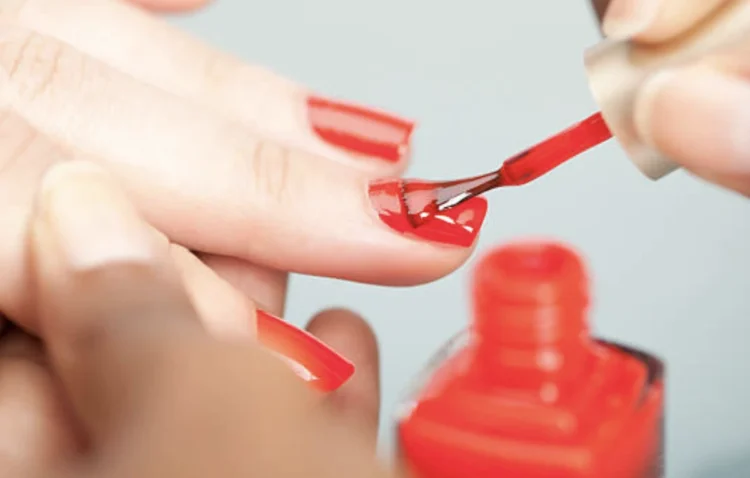
Every few months, a single celebrity manicure seems to reset what an entire season of nail trends looks like. This time, it’s Kylie Jenner, spotted with a glossy, warm-toned red manicure and pedicure that beauty writers quickly nicknamed “tomato nails.” The name is unusual for a beauty trend, but it captures something real: this isn’t quite the red you already own, and that small difference is exactly why it’s spreading so fast.
This article is for anyone curious about the trend, whether you’re a fashion-conscious reader who wants to understand where it came from, a beginner looking for an easy at-home manicure to try, or a student of beauty and fashion trends interested in why certain celebrity looks catch on while others fade. You do not need a Hollywood budget or a standing salon appointment to wear this look well; that is, in many ways, the whole appeal.
Understanding the Trend: What Are “Tomato Nails”?
Tomato nails describe a specific kind of red nail polish: warm, bright, and glossy, with subtle orange undertones rather than the blue or purple undertones found in a classic cherry or wine red. Think of the color of a ripe vine tomato left on a sunny windowsill, not the flatter orange-red of ketchup and not the deep, cool red of a classic “vampy” manicure.
The trend gained visibility after Kylie Jenner stepped out with a high-shine manicure and pedicure in this exact tone, prompting beauty outlets to describe the shade as a fresh alternative to standard red polish. It is worth noting this is a color trend, not a nail shape, length, or art style. Tomato nails can be worn on short, natural, almond, or squared nails alike, which is part of why the look has spread so widely across different personal styles.
History and Evolution
Red nail polish itself has one of the longest histories in modern beauty, tracing back to the early 20th century when the first commercial nail lacquers were developed using formulas adapted from car paint technology. Deep red shades became a staple of glamour throughout the mid-1900s and have never fully gone out of style since, cycling through cooler blue-based reds, warmer orange-based reds, glossy finishes, and matte finishes across different eras.
What makes “tomato” notable is not that warm reds are new; warm-toned reds have appeared in past seasonal trend cycles before. What’s new is the specific framing: a produce-inspired name, a very particular undertone, and a celebrity moment that gave the shade a clear identity distinct from “just another red.” Fashion and beauty trends often behave this way, an existing color family gets a fresh name and a fresh cultural moment, which makes it feel new even though the underlying shade has precedent.
Why It Matters
A nail color trend might seem like a small detail, but it reflects broader shifts in seasonal beauty preferences. Warm, saturated reds like tomato tend to rise in popularity during spring and summer months, when beauty consumers gravitate toward brighter, sun-associated tones after a season of deeper, cooler colors. Beauty writers have described the tomato shade as evoking a relaxed, warm-weather aesthetic, in contrast to the more formal or moody feeling often associated with classic deep red.
There is also a practical, accessibility angle. Because tomato nails are defined by color and finish rather than an elaborate design, nail art, or expensive add-ons like rhinestones or hand-painted details, the look is achievable at a wide range of price points, from a professional salon gel manicure to an at-home polish application. That makes it a useful trend to understand for readers who want to participate in celebrity-driven beauty culture without a significant budget.
Key Features and Characteristics
A true tomato nail look tends to share a few defining features:
- Warm, orange-leaning red base. The color should read as a bright, ripe red with visible orange warmth, not a cool-toned or purple-leaning red.
- High-gloss finish. Much of the trend’s identity comes from shine. A glass-like, reflective top coat is typically used to give the color a polished, almost wet-look finish.
- Even, well-prepped application. Because the finish is so glossy, imperfections in the nail bed or cuticle area tend to show more than they would under a matte polish, so clean prep matters more than usual for this particular look.
- Versatility across nail shapes and lengths. Unlike trends tied to a specific nail shape (like almond or square) or an elaborate art style, tomato nails work on short, natural nails just as well as on longer extensions.
Tomato Red vs. Classic Red Manicure
| Feature | Tomato Red | Classic Red |
|---|---|---|
| Undertone | Warm, orange-leaning | Cool to neutral, sometimes blue-based |
| Finish | High-gloss, glass-like top coat | Often standard gloss or matte |
| Best season | Spring/summer | Year-round, often associated with fall/winter |
| Styling feel | Playful, bright, sun-associated | Classic, formal, timeless |
How to Wear or Apply It
Getting the tomato nail look right comes down to shade selection and finish, more than any advanced technique.
For salon manicures: Ask your nail technician for a warm-toned red with visible orange undertones, and specifically request a high-shine or “glass” top coat rather than a matte or satin finish. Bringing a reference image can help avoid ending up with a cooler-toned red instead.
For at-home manicures: Start with a clean base coat to protect the natural nail, apply two thin coats of a warm-toned red polish (thin coats reduce the risk of streaking and help the color dry more evenly), then finish with a high-gloss top coat. Because the finish is meant to look reflective and smooth, taking an extra few minutes on cuticle care and nail shaping before you begin will noticeably improve the final result.
For different budgets: A drugstore warm-red polish paired with a glossy top coat can achieve a very similar visual effect to a premium salon gel version. The defining feature of this trend is the color and shine, not the price of the product used to achieve it.
For different occasions: Tomato nails read as polished enough for work or professional settings while still feeling seasonal and fun, which makes them a flexible choice from casual daytime wear through to evening occasions.
Common Mistakes
A few missteps are common when people try to recreate this specific look:
- Choosing a red that’s too cool or too orange. Going too far in either direction, toward a blue-based cherry red or an overly orange, ketchup-like tone, moves away from the specific “ripe tomato” balance that defines the trend.
- Skipping the glossy top coat. A matte finish in the same red shade will read as a completely different, more understated look. The shine is a core part of what makes tomato nails distinct.
- Applying thick, uneven coats. Because the finish is so reflective, uneven polish application is more visible than it would be under a matte finish.
- Neglecting nail prep. Skipping cuticle care or shaping before polish application tends to show more under a glossy finish than under other nail looks.
- Assuming it requires an expensive salon visit. The trend is genuinely achievable with affordable, widely available polish and top coat products.
Buying Guide
When shopping for products to recreate this look, a few categories matter most:
- Polish formula: Both traditional lacquer and gel-style polishes can achieve the tomato look; gel formulas tend to offer a longer-lasting glossy finish but require a UV or LED lamp to cure, while traditional lacquer is more accessible for quick at-home application without special equipment.
- Undertone: Look for product descriptions or swatches that mention “warm,” “orange-based,” or “coral-red” rather than “blue-based” or “berry” when shopping specifically for this trend.
- Top coat: A dedicated high-shine or “glass” top coat is often the difference between a good tomato manicure and a great one, since it directly affects how reflective and polished the finish appears.
- Price range: This look is achievable across a wide price spectrum. Drugstore lacquer and top coat combinations can achieve a very similar visual result to premium salon gel systems; the main trade-off is durability and finish longevity rather than color accuracy.
- Care instructions: Regardless of formula, cuticle oil and regular top coat touch-ups help maintain the glossy finish and prevent chipping, which is especially noticeable on a high-shine manicure.
Price Tier Comparison for Recreating the Look
| Tier | Typical Product Type | Approx. Longevity |
|---|---|---|
| Budget | Drugstore lacquer + glossy top coat | 3–5 days |
| Mid-range | Salon-quality lacquer or gel-effect polish | 5–7 days |
| Premium | Professional gel manicure (UV/LED cured) | 2–3 weeks |
Sustainability Considerations
Nail polish and gel systems carry some environmental and health considerations worth understanding as part of an informed buying decision. Many mainstream nail polish brands have moved toward formulas that exclude certain harsh chemicals historically used in lacquer production, often marketed as “3-free,” “5-free,” or higher, referring to the number of ingredients excluded. Readers interested in more responsible choices can look for these labels, along with brands that use recyclable or refillable packaging.
Gel manicures, while often longer-lasting than traditional lacquer, typically require soaking in acetone for removal, which can be drying to the surrounding skin and nail if done too frequently. Choosing to alternate between gel and traditional lacquer, or extending time between manicures, are both reasonable ways to reduce cumulative product use and nail damage over time. As with most beauty trends, following a look sustainably is less about a single product choice and more about consistent, moderate habits.
Real-World Examples
Beyond Kylie Jenner’s manicure and pedicure moment that anchored this trend, warm-toned red manicures have appeared repeatedly across recent celebrity beauty coverage, often styled by well-known celebrity manicurists working across multiple high-profile clients. Trend forecasters covering the 2026 nail season have separately flagged bold, orange-based reds as a rising category, distinct from the cooler, deeper reds that tend to dominate in colder months.
It’s also worth noting that celebrity nail trends in this same season have ranged widely, from delicate bejeweled floral designs to diamond-dusted accents to nostalgic French manicure revivals, showing that tomato nails are one thread among several simultaneous nail trend directions rather than the only story in seasonal nail fashion. This context is useful for readers deciding whether the trend fits their personal style, since not every popular look needs to be adopted to stay current.
Frequently Asked Questions
What exactly is the “tomato nail” trend?
It’s a warm-toned, bright red nail polish shade with subtle orange undertones, typically worn with a high-gloss, glass-like top coat.
How is it different from a regular red manicure?
Classic red manicures often lean cooler or deeper (closer to cherry or wine tones), while tomato nails specifically lean warmer and brighter, with visible orange warmth.
Do I need a salon to get this look?
No. The trend is defined by color and shine rather than intricate technique, so it’s achievable with drugstore polish and a glossy top coat at home.
What top coat works best for the glossy finish?
Look for a top coat specifically marketed as high-shine or “glass” finish, since standard top coats may not produce the same reflective effect.
Will this trend work with short nails?
Yes. Tomato nails are a color and finish trend, not a length or shape trend, so they work well on short, natural nails as much as on longer extensions.
Is tomato red suitable for work or professional settings?
Generally yes. A glossy red manicure reads as polished and appropriate for most professional environments while still feeling current.
How long does a tomato nail manicure typically last?
This depends more on the formula (gel versus traditional lacquer) than the color itself; gel systems generally last longer between applications.
Is this trend seasonal or can it be worn year-round?
It is often associated with spring and summer due to its bright, warm quality, but a glossy red manicure can reasonably be worn in any season.
What’s the biggest mistake people make trying this look?
Choosing a red that leans too cool or too orange, or skipping the high-gloss top coat that gives the trend its signature finish.
Are there more affordable versions of the celebrity look?
Yes. Drugstore warm-red polish combined with a glossy top coat can closely replicate the visual effect of premium salon or celebrity-styled versions.
Key Takeaways
- Tomato nails are a warm-toned, bright red manicure trend popularized after Kylie Jenner was seen wearing a glossy version of the shade.
- The defining features are a warm, orange-leaning red base and a high-shine, glass-like top coat.
- The look is achievable at any budget, since it depends on shade and finish rather than expensive nail art or add-ons.
- Common mistakes include choosing a red that’s too cool or too orange, and skipping the glossy top coat.
- The trend fits into a broader spring/summer pattern of brighter, warmer nail colors, alongside other current celebrity nail trends like bejeweled florals and nostalgic French manicures.
Conclusion
The tomato nail trend is a good example of how a small styling detail, in this case, a specific undertone and finish, can define a season’s beauty conversation. It doesn’t require an elaborate design, a big budget, or a specific nail shape, which is exactly why it has spread so quickly beyond the original celebrity moment that inspired it. Whether you recreate it at a salon or with a drugstore polish at home, the two things worth prioritizing are the warm, orange-leaning red tone and a genuinely glossy top coat, since those two elements are what separate “tomato” from an ordinary red manicure.
Evidence and Sources
Factual claims regarding the trend’s visibility, its warm-red and orange-undertone characteristics, and its association with spring/summer beauty cycles are drawn from recent celebrity beauty and lifestyle press coverage. Styling suggestions, buying guidance, and sustainability notes in this article reflect general nail care and cosmetic industry practice rather than a single cited study, and are presented as practical guidance rather than clinical or scientific claims. Readers seeking formal research on nail cosmetics safety or ingredient standards should consult recognized regulatory and industry bodies, such as those listed in the External References section below.
Recommended
- Bella Hadid’s Grandma-Core Era: How Vintage Femininity Became Fashion’s Boldest Power Move
Why it’s relevant: Another celebrity-driven style trend piece exploring how a single public figure’s look can define a broader fashion or beauty movement, similar to the tomato nail story. - Coachella Outfits
Why it’s relevant: Festival season and warm-weather styling are closely tied to the same spring/summer beauty cycle that produced the tomato nail trend. - Sol de Janeiro Passport Rewards: The Ultimate Beauty Loyalty Guide
Why it’s relevant: Useful for readers building out a broader beauty routine or shopping strategy alongside trying a new nail trend. - Coconut Oil in the Beauty Boom: A Billion-Dollar Ingredient
Why it’s relevant: Complements the buying-guide and ingredient-awareness angle of this article for readers interested in the beauty industry side of trends. - Vanna White’s Wedding Look Proves Timeless Style Is the Ultimate Fashion Power Move
Why it’s relevant: A companion piece on distinguishing timeless style choices from passing trends, relevant to readers deciding whether to adopt the tomato nail look.